
We make AI
trustworthy enough
to do real work
Production signals become tested fixes before AI acts.
Teams running Nora in real workflows.
Tired of
Before debugging begins, every response is checked for failures, false claims, and unsupported sources.
We surface issues and root causes, and group similar ones together.
Nora watches production traffic and groups hallucinations into ranked Signals, so you fix the pattern, not one ticket at a time.
Tired of
Before debugging begins, every response is checked for failures, false claims, and unsupported sources.
We surface issues and root causes, and group similar ones together.
Now meet Nora,built for the whole loop.
Build


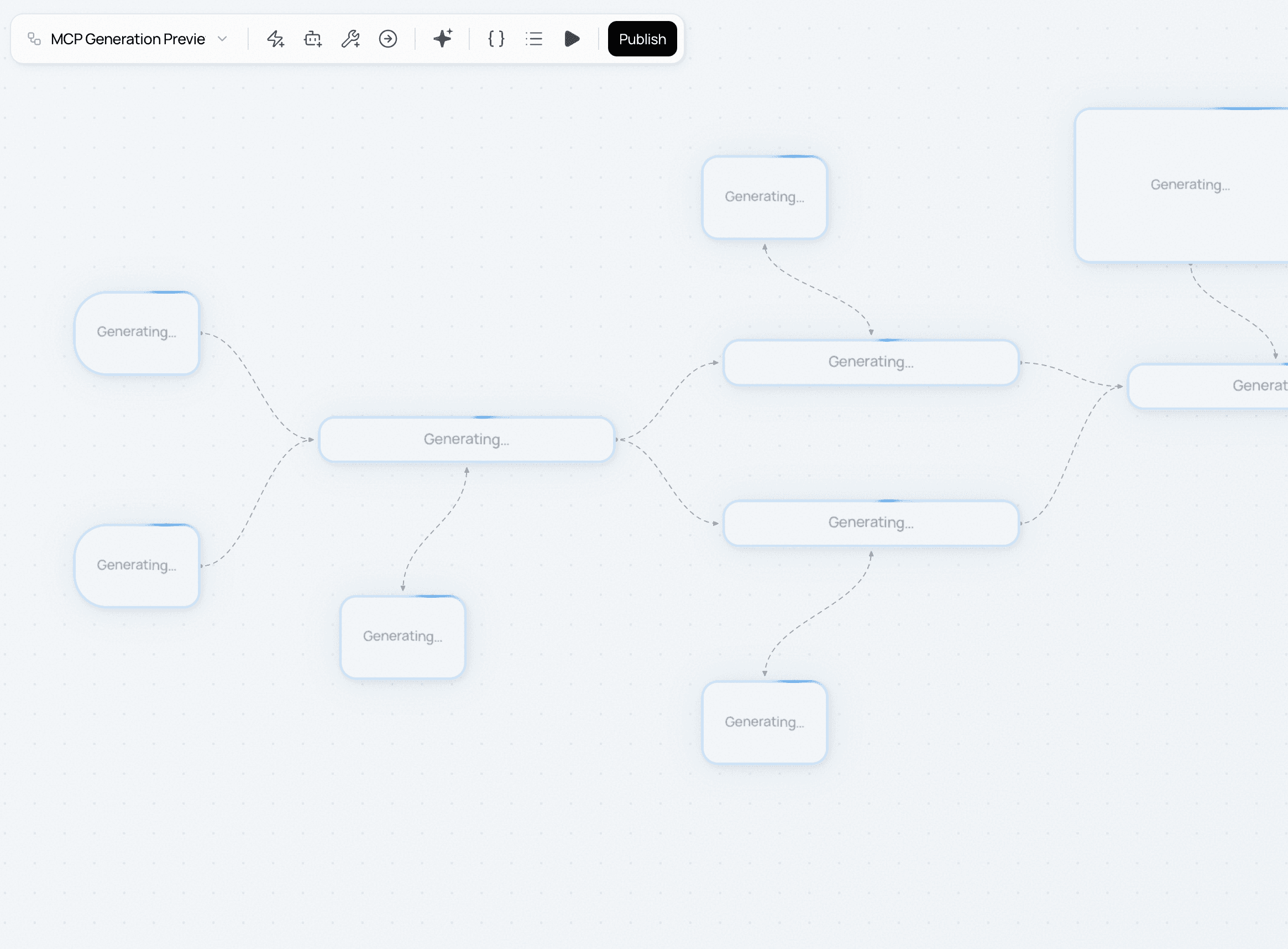
 Claude Coderunning
Detect
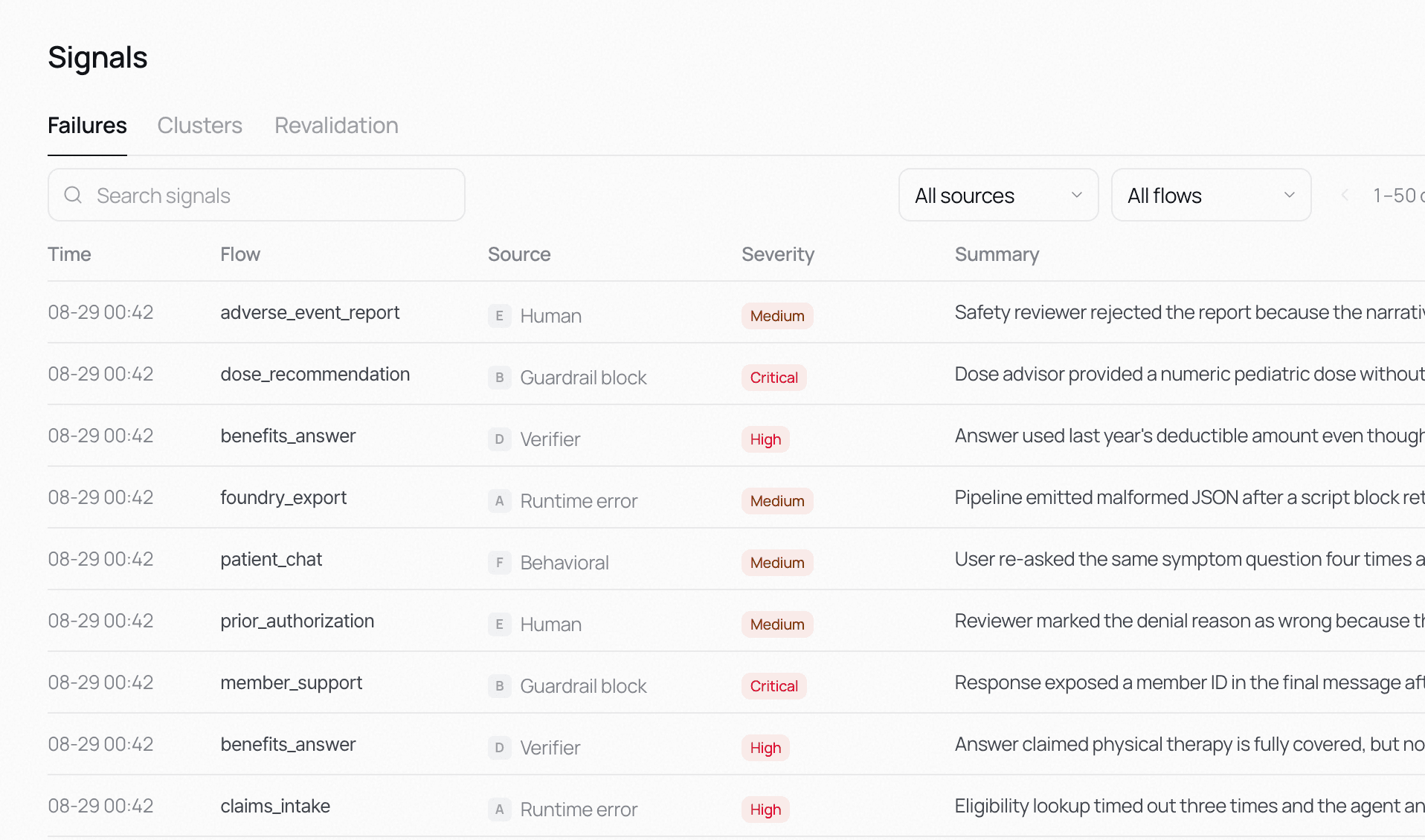
Evaluation
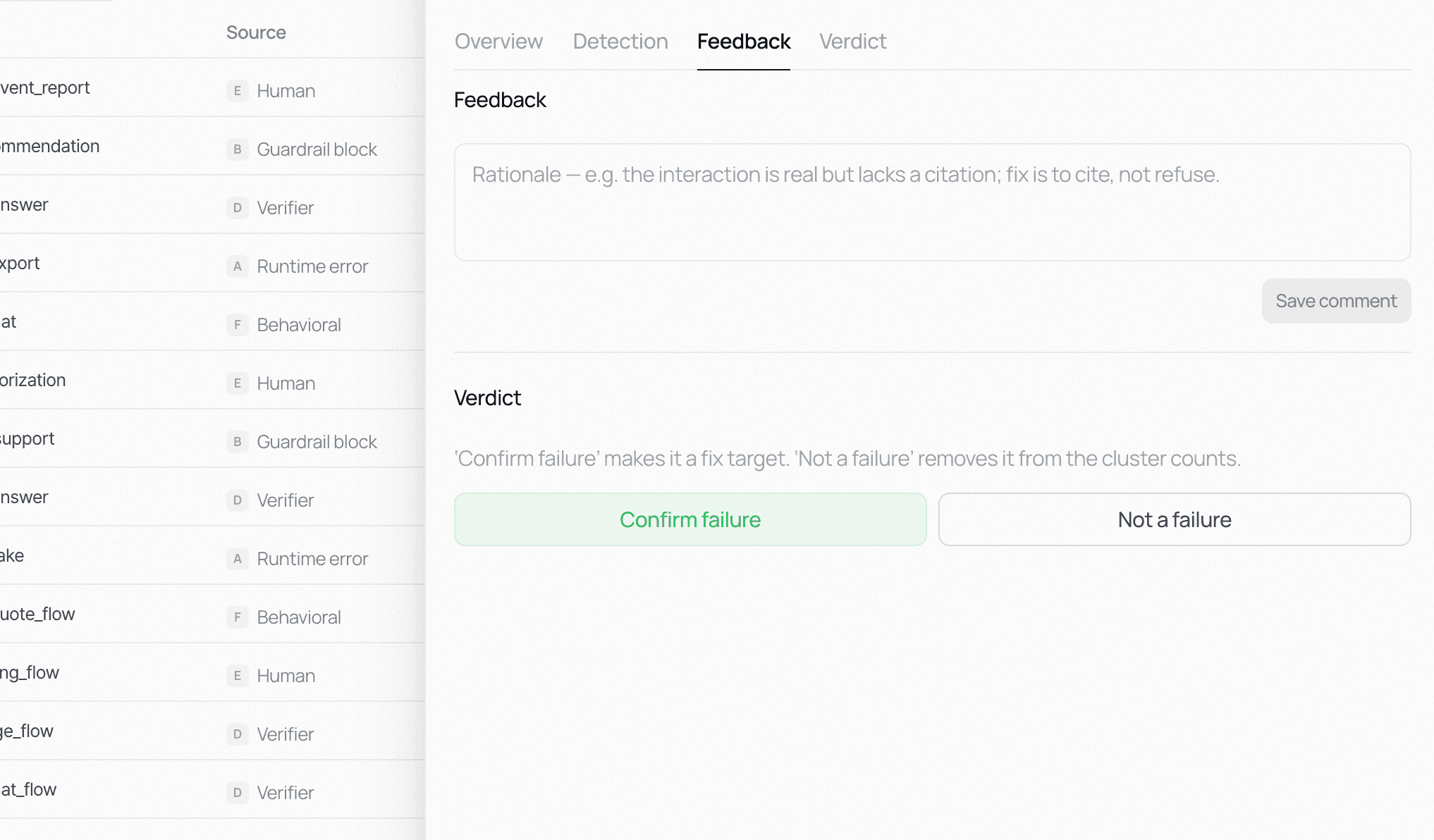
Simulation
Pricing
Free
Try Nora end-to-end with no card.
- Runs
- 6k / mo
- hard stop
- Memory
- 1 GB
- hard stop
- Knowledge
- 1 GB
- hard stop
- Verify & improve
- 100k tokens
- hard stop
- Unlimited seats
- Hard stop at quota, never charged
- Email · OAuth sign-in
Pro
Popular1 production agent + the self-improving loop.
- Runs
- 200k / mo
- $30 per 100k
- Memory
- 20 GB
- $0.45 per GB-month
- Knowledge
- 20 GB
- $0.38 per GB-month
- Verify & improve
- 5M tokens
- $15 per 1M tokens
- Production self-improving loop
- Unlimited seats
Team
Scale across a team.
- Runs
- 1M / mo
- $30 per 100k
- Memory
- 100 GB
- $0.45 per GB-month
- Knowledge
- 100 GB
- $0.38 per GB-month
- Verify & improve
- 25M tokens
- $15 per 1M tokens
- Shared workspace · SSO
- Priority support
- Unlimited seats
Enterprise
Regulated industries · on-prem · self-improving.
- Contract billing
- Unlimited seats
- OIDC SSO
- On-prem deployment
- Dedicated SLA support
Questions
What is Nora?+
Nora is a platform for building AI agents you can trust in production. Agents run on Nora, and every production answer is recorded as a trace. When an answer is wrong, Nora turns it into a signal, helps diagnose the cause, tests candidate fixes in simulation, ships approved changes as versions, and keeps the fix in memory so the same mistake does not keep coming back.
How is Nora different from LangSmith, Langfuse, Braintrust, or Humanloop?+
The difference Nora's docs emphasize is that Nora does not stop at showing traces. It collects failure candidates as signals, lets a human confirm or reject them, groups confirmed failures into clusters and cases, runs simulations across candidate fixes, compares cost, accuracy, reliability, and regression risk, then deploys only approved improvements as versions. The product is centered on the full improvement loop: detect, diagnose, experiment, publish, and remember.
Can I see a real example?+
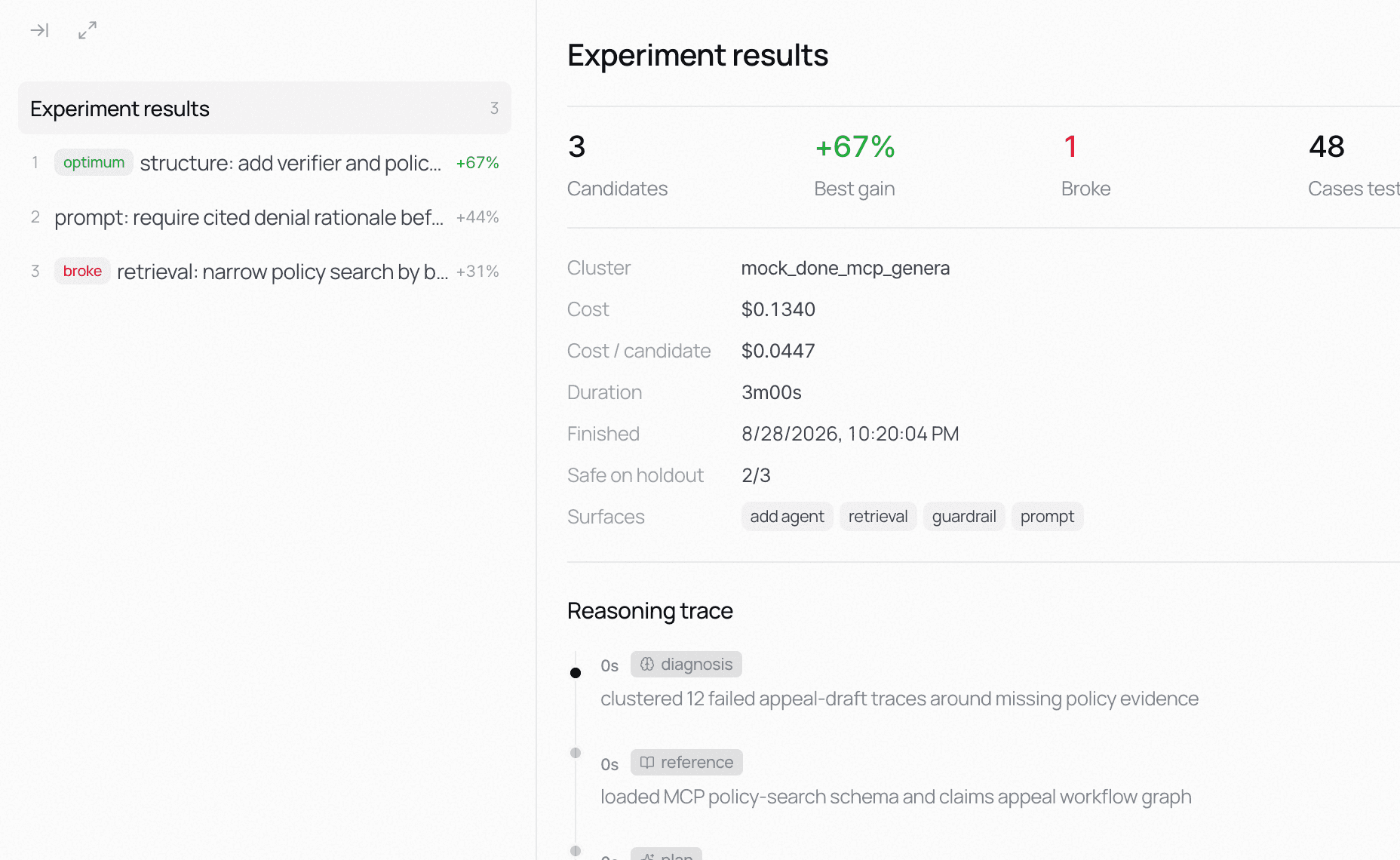
If a customer support agent gives the wrong refund-policy answer, the run is saved as a trace and an answer that conflicts with its sources can become a signal in the queue. After a reviewer confirms the failure, the input and wrong answer become a case, and similar failures are grouped into a cluster. Nora can then run an experiment against that cluster, compare prompt, guardrail, memory, or retrieval changes, and show which cases improved or regressed. A human publishes the candidate only after reviewing the results.
How do you handle customer data, logs, and documents?+
Nora's docs describe data access through workspace permissions and scoped connectors. External services such as Google Drive or Slack are connected with saved credentials; credentials are encrypted at rest and never shown again. Foundry's Clean stage can redact PII such as emails, phone numbers, credit cards, and national IDs before content reaches the index. Role permissions limit screens and sensitive actions, while signal decisions, deploys, guardrail blocks, and member changes are recorded in Audit.